Goodbye, overtourism? Sustainable travel gains ground
0 / 49
English
中文
As tourism booms across Latin America, alternative forms of travel are gaining ground. Making your holiday more sustainable means rethinking who calls the shots, who invests and who benefits.
(暂无翻译) (暂无翻译)
Latin America is currently one of the world's most dynamic tourism regions. According to UN Tourism, the United Nations agency responsible for promoting responsible tourism, international arrivals in South America grew by 7% last year, while Central America saw a 5% increase, both above the global average.
(暂无翻译) (暂无翻译)
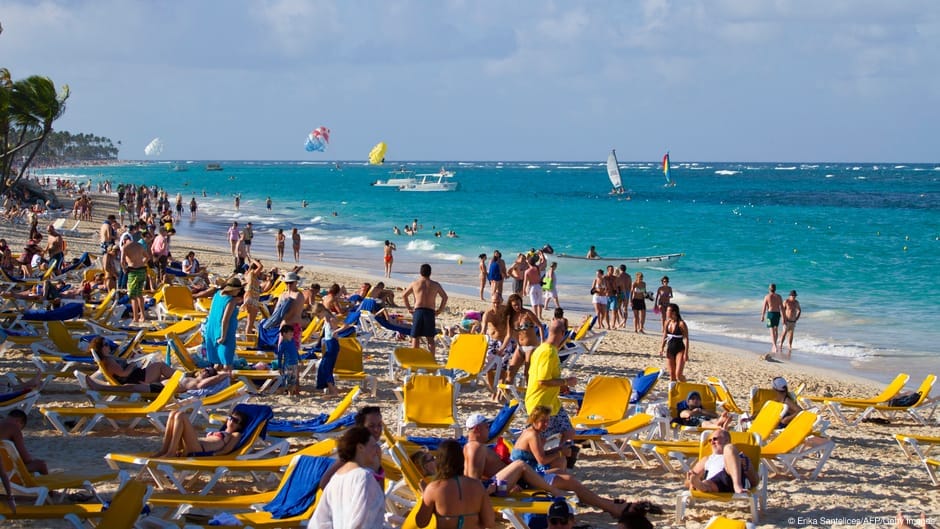
But the boom comes at a price: overtourism. In some destinations, the sheer number of visitors is creating environmental and social problems, fueling tensions and raising questions about who really benefits from the business.
(暂无翻译) (暂无翻译)
One famous example is Machu Picchu, the Inca citadel in Peru, which lures up to 5,600 visitors a day. In 2025, Peru's official watchdog warned that more tickets were being sold than permitted, potentially putting the site at risk of being added to UNESCO's List of World Heritage in Danger. The UNESCO World Heritage Committee has already expressed its concern.
(暂无翻译) (暂无翻译) (暂无翻译)
In a bid to protect the Galapagos Islands and its bountiful ecosystems that inspired Charles Darwin, Ecuador doubled the entrance fee for foreign visitors to $200 in 2024. Even so, pressure is mounting to construct new hotels and tourist apartments. And in Mexico City, the influx of tourists and digital nomads into neighborhoods such as Roma and Condesa has fueled protests over rising rents.
(暂无翻译) (暂无翻译) (暂无翻译)
What can be done to make tourism more inclusive and sustainable? That's one of the industry's biggest questions. At ITB Americas, an international travel trade fair in Guadalajara, Mexico, DW spoke with three experts.
(暂无翻译) (暂无翻译) (暂无翻译)
Richard Bazan is a regional manager for the Americas at Planeterra, a nonprofit organization that promotes and supports community-based tourism. He said several trends are emerging: group sizes are shrinking and travelers are seeking more intimate experiences.
(暂无翻译) (暂无翻译)
"Where groups of 20 used to travel together, now it's four or five," he told DW.
(暂无翻译)
So-called "nature-positive" tourism is also gaining traction, with travel programs that help fund, for example, reforestation projects. Bazan said even all-inclusive resorts are realizing that they can no longer shut themselves off from their surroundings. Instead, they need to offer authentic experiences that connect visitors with the destination.
(暂无翻译) (暂无翻译) (暂无翻译)
"Community-based tourism is no longer a niche," he said.
(暂无翻译)
Pressure for change is also coming from travelers themselves. According to Booking.com's 2025 annual survey, which polled 32,000 people in 34 countries, 93% said they wanted to make more sustainable travel choices. For the first time, more than half (53%) were aware of tourism's impact on local communities, not just the environment.
(暂无翻译) (暂无翻译) (暂无翻译)
Sarah Payne, director of the Reset Tourism Fund at the UnTours Foundation, pointed to the underlying problem. In the traditional tourism business model, most of the money generated never reaches local communities, the people who actually live with the influx of visitors.
(暂无翻译) (暂无翻译)
"Access to financing is key, yet extremely difficult for communities," she explained. The financial products on the market tend to be expensive and inflexible, as tourism is considered a high-risk sector. Her foundation's fund offers low-interest loans with flexible repayment terms. Its guiding principle is that communities generally know what's best for their own land.
(暂无翻译) (暂无翻译) (暂无翻译) (暂无翻译)
Sebastian Munoz, co-founder of Rutopia, a platform specializing in ecotourism and community-based tourism, has brought his experience from the nonprofit sector into social enterprise. His believes tours must be designed in partnership with communities so they feel a sense of ownership, rather than seeing them as something imposed from outside.
(暂无翻译) (暂无翻译)
To view this video please enable JavaScript, and consider upgrading to a web browser that supports HTML5 video Bazan, meanwhile, thinks community-based tourism should not be approached as a humanitarian project, but through a market-driven lens: understanding what visitors are looking for and then planning hand-in-hand with the local community.
(暂无翻译)
In other words, building bridges between these two distinct worlds. "It's not sustainable to create a product if no one comes to experience it," he said.
(暂无翻译) (暂无翻译)
The big question is how to grow without sacrificing sustainability.
(暂无翻译)
For Bazan, that decision doesn't belong to the tourism industry. Communities themselves must decide how they want to grow, and outside players should not pressure them. Their role, he said, is to amplify local voices, not to bring solutions or investments. "We have to learn to listen," he said. The impact of community-based tourism is difficult to measure, Munoz acknowledged, because it has social impacts that go beyond the numbers.
(暂无翻译) (暂无翻译) (暂无翻译) (暂无翻译) (暂无翻译)
He cited the example of the Indigenous Mixtec community in Mexico that receives tourists interested in learning the local language. Suddenly, children who today speak only Spanish began joining the classes and asking their grandparents to teach them the language, too. For Munoz, community-based tourism can be a powerful tool for valuing cultural and regional diversity.
(暂无翻译) (暂无翻译) (暂无翻译)
It's about creating value over the long term — and that, he said, is where the real experience for visitors lies. The experts agree that change is slow.
(暂无翻译) (暂无翻译)
But they argue it's worth the effort: If there is more respect for local people and environments, in the end, everyone goes home happier. This article was originally written in Spanish.
(暂无翻译) (暂无翻译)
仅供学习使用,如有侵权请联系删除 · 查看原文